
Exploring the Rich Heritage of Filipino Cuisine

Filipino cuisine culture is a vibrant tapestry woven from centuries of history, diverse influences, and regional flavors. It reflects the Philippines' unique position as a crossroads of trade, colonization, and indigenous traditions. From the tangy and savory to the sweet and spicy, Filipino dishes tell stories of family, celebration, and everyday life. This article delves into the rich heritage of Filipino food, exploring its origins, key ingredients, and the cultural significance behind beloved dishes.
The Historical Roots of Filipino Cuisine Culture
Filipino cuisine culture is deeply rooted in the archipelago’s history. The indigenous people of the Philippines developed cooking methods based on available resources such as rice, coconut, seafood, and tropical fruits. Over time, foreign influences shaped the culinary landscape:
Malay and Austronesian influences introduced staple ingredients like rice and coconut.
Chinese traders brought noodles, soy sauce, and stir-frying techniques.
Spanish colonization (over 300 years) introduced new ingredients such as tomatoes, potatoes, and various spices, as well as cooking methods like stewing and baking.
American occupation added elements like canned goods and fast food culture.
This blend of influences created a cuisine that is both familiar and unique, with dishes that vary widely from region to region.
Key Ingredients and Flavors in Filipino Cuisine Culture
Understanding Filipino cuisine culture means appreciating its distinctive ingredients and flavor profiles. Filipino dishes often balance salty, sour, sweet, and umami tastes, creating complex and satisfying meals.
Essential Ingredients
Rice: The staple food, served with almost every meal.
Vinegar: Used in many dishes for its sourness, such as in adobo.
Soy sauce: Adds saltiness and depth.
Coconut milk: Used in stews and desserts.
Garlic and onions: Base aromatics for many recipes.
Tamarind and calamansi: Provide sour notes.
Fish sauce (patis): Adds umami flavor.
Popular Flavor Combinations
Sour and savory: Found in dishes like sinigang (sour soup).
Sweet and salty: Seen in tocino (sweet cured pork).
Spicy and tangy: Present in bicol express (spicy pork in coconut milk).
These ingredients and flavors are combined in countless ways, reflecting the diversity of Filipino cooking.
Iconic Filipino Dishes and Their Cultural Significance
Filipino cuisine culture is best experienced through its iconic dishes, each with a story and cultural importance.
Adobo
Often called the national dish, adobo is a stew of meat (usually chicken or pork) marinated in vinegar, soy sauce, garlic, and spices. It symbolizes Filipino resilience and adaptability, as it was originally a preservation method.
Sinigang
A sour tamarind-based soup with meat or seafood and vegetables. It is a comfort food that brings families together, especially during rainy days.
Lechon
Roast pig, often the centerpiece of celebrations and festivals. It represents abundance and communal joy.
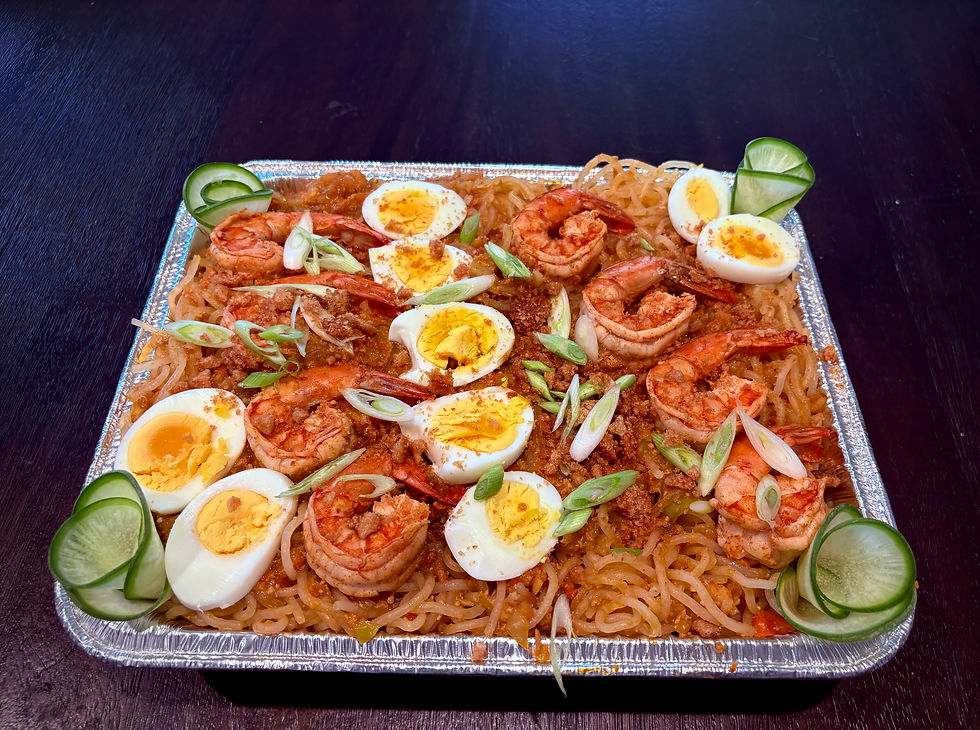
Pancit
Noodle dishes introduced by Chinese traders, symbolizing long life and good health, commonly served at birthdays.
Halo-Halo
A popular dessert made of crushed ice, sweet beans, fruits, and milk. It reflects the Filipino love for sweet treats and the blending of textures and flavors.
These dishes are more than food; they are expressions of Filipino identity and hospitality.
The Role of Filipino Tradition Food in Daily Life and Celebrations
Filipino tradition food plays a vital role in both everyday meals and special occasions. Meals are often communal, emphasizing family and social bonds. Traditional dishes are passed down through generations, preserving cultural heritage.
During festivals and holidays, food takes center stage. For example:
Fiestas feature lechon and a variety of regional specialties.
Christmas includes bibingka (rice cake) and puto bumbong (purple rice cake).
New Year’s Eve meals often include round fruits and sticky rice cakes for prosperity.
For those interested in exploring authentic Filipino flavors, visiting local markets and trying home-cooked meals is highly recommended. You can also learn more about filipino tradition food to deepen your appreciation of this rich culinary heritage.

Preserving and Promoting Filipino Cuisine Culture Today
In recent years, there has been a resurgence of interest in Filipino cuisine culture both within the Philippines and internationally. Chefs and food enthusiasts are working to preserve traditional recipes while innovating to appeal to modern tastes.
Ways to Experience Filipino Cuisine Culture
Visit Filipino restaurants that focus on authentic and regional dishes.
Attend food festivals celebrating Filipino culinary heritage.
Cook traditional recipes at home using fresh, local ingredients.
Support Filipino food artisans and small businesses.
Challenges and Opportunities
While globalization introduces new food trends, it also risks diluting traditional practices. Efforts to document recipes, promote culinary tourism, and educate younger generations are crucial for keeping Filipino cuisine culture alive.
By embracing both tradition and innovation, Filipino food continues to thrive as a symbol of cultural pride and community.
Embracing the Flavorful Journey of Filipino Cuisine Culture
Exploring Filipino cuisine culture offers a delicious journey through history, tradition, and innovation. Whether savoring a hearty bowl of sinigang, enjoying the festive spirit of lechon, or indulging in the sweet layers of halo-halo, each bite connects you to a rich cultural heritage.
For those eager to dive deeper, learning about filipino tradition food and trying recipes at home can be a rewarding experience. Filipino cuisine culture is not just about food - it is about stories, family, and the joy of sharing.
Embark on this flavorful adventure and discover why Filipino cuisine continues to captivate palates around the world.


Comments