
Discover the Richness of Filipino Traditional Food
- Love Lumpia ❤️

- Dec 15, 2025
- 4 min read
Filipino traditional cuisine is a vibrant tapestry of flavors, colors, and textures that reflect the country’s rich history and diverse culture. From the bustling streets of Manila to the serene provinces, the food tells stories of indigenous roots, colonial influences, and regional specialties. Exploring Filipino food is not just about tasting dishes; it’s about experiencing a culture that values family, celebration, and community through its meals.
The Heart of Filipino Traditional Cuisine: Ingredients and Flavors
Filipino traditional cuisine is characterized by its unique blend of sour, sweet, salty, and savory flavors. The use of native ingredients such as vinegar, coconut milk, tamarind, and various herbs creates a distinct taste profile that sets it apart from other Asian cuisines.
Some staple ingredients include:
Rice: The foundation of most meals, often steamed or made into rice cakes.
Vinegar: Used in many dishes for its tangy flavor and preservative qualities.
Fish sauce (patis): Adds umami and saltiness.
Coconut milk (gata): Provides creaminess and richness.
Calamansi: A small citrus fruit used for zest and acidity.
These ingredients come together in dishes like adobo, sinigang, and lechon, each offering a different experience of Filipino flavors.

Traditional Filipino Adobo, a savory stew with vinegar and soy sauce
Popular Filipino Traditional Cuisine Dishes You Must Try
Filipino cuisine offers a wide variety of dishes that cater to different tastes and occasions. Here are some iconic dishes that showcase the diversity and richness of Filipino food:
Adobo - Often considered the national dish, adobo is a stew made with chicken or pork marinated in vinegar, soy sauce, garlic, and black peppercorns. It is simmered until tender and flavorful.
Sinigang - A sour soup made with tamarind broth, vegetables, and meat or seafood. It is refreshing and perfect for rainy days.
Lechon - A whole roasted pig with crispy skin and juicy meat, usually served during celebrations.
Kare-Kare - A peanut-based stew with oxtail, tripe, and vegetables, served with shrimp paste.
Pancit - Stir-fried noodles with vegetables, meat, and seafood, often served during birthdays for long life.
Each dish reflects the Filipino love for bold flavors and communal dining.
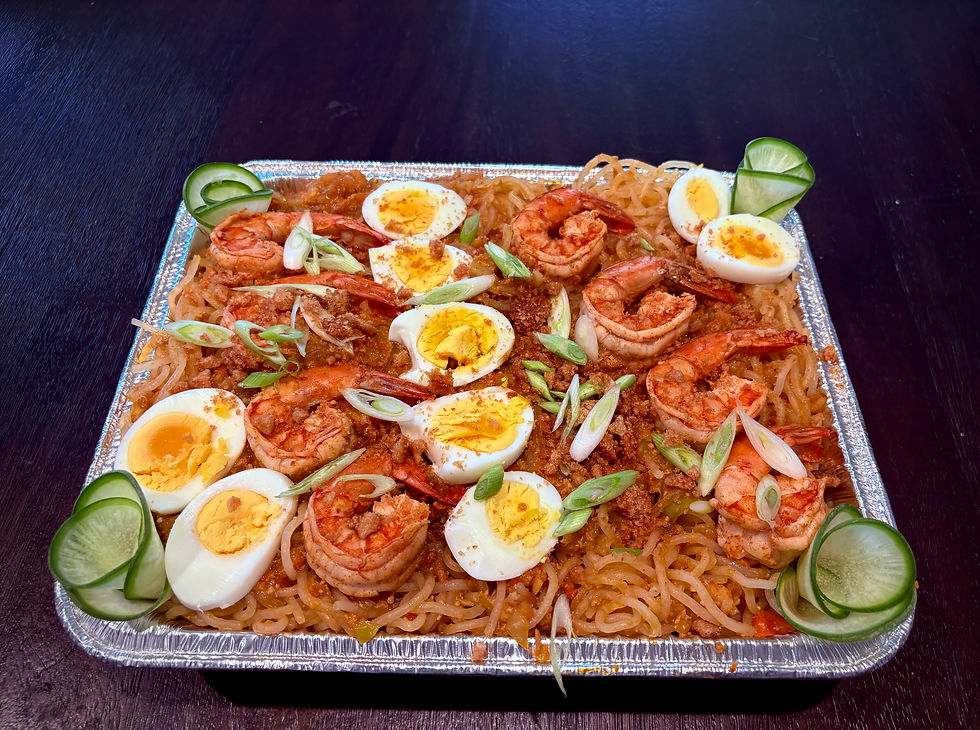
Filipino Pancit, a festive noodle dish with vegetables and meat
Exploring Regional Variations in Filipino Traditional Cuisine
The Philippines is an archipelago with over 7,000 islands, and each region has its own culinary specialties. These regional variations add depth and excitement to Filipino traditional cuisine.
Ilocos Region: Known for bagnet (crispy pork belly) and pinakbet (vegetable stew with shrimp paste).
Bicol Region: Famous for spicy dishes cooked with coconut milk, such as Bicol Express.
Visayas: Offers lechon Cebu, a distinct style of roasted pig with a special marinade.
Mindanao: Influenced by Muslim culture, featuring dishes like satti (grilled meat skewers) and piaparan (chicken cooked in coconut milk and spices).
Trying regional dishes is a great way to appreciate the diversity within Filipino cuisine.
How to Experience Filipino Tradition Food at Home
If you want to bring the flavors of the Philippines into your kitchen, here are some practical tips:
Start with simple recipes like adobo or sinigang, which require basic ingredients and straightforward cooking methods.
Use authentic ingredients such as vinegar, fish sauce, and calamansi, which can often be found in Asian grocery stores.
Experiment with cooking techniques like marinating, slow simmering, and roasting to develop rich flavors.
Pair dishes with steamed rice and fresh vegetables to balance the meal.
Invite friends or family to share the meal, as Filipino food is best enjoyed communally.
For those interested in exploring more, websites like filipino tradition food offer recipes and cultural insights to deepen your culinary journey.
The Cultural Significance of Filipino Traditional Cuisine
Food in the Philippines is more than sustenance; it is a vital part of social and cultural life. Meals are often shared during family gatherings, festivals, and religious celebrations. Traditional dishes carry stories of heritage and identity, passed down through generations.
Fiestas and celebrations: Lechon and other special dishes are central to festivities.
Hospitality: Offering food to guests is a sign of warmth and generosity.
Rituals and customs: Certain dishes are prepared for specific occasions, such as bibingka and puto bumbong during Christmas.
Understanding these cultural contexts enriches the experience of Filipino traditional cuisine and connects you to the Filipino spirit.
Embracing Filipino Traditional Cuisine in Modern Times
Today, Filipino cuisine is gaining international recognition, with chefs and food enthusiasts showcasing its unique flavors worldwide. Modern twists on traditional recipes are emerging, blending innovation with heritage.
Fusion dishes that combine Filipino flavors with other cuisines.
Health-conscious adaptations using local organic ingredients.
Food tourism promoting regional specialties and culinary heritage.
Whether you are a seasoned foodie or a curious beginner, exploring Filipino traditional cuisine offers a rewarding and delicious adventure.
Discovering the richness of Filipino traditional cuisine opens a window into a culture that celebrates life through food. From the tangy and savory to the sweet and spicy, every dish tells a story worth savoring. Embrace the flavors, try the recipes, and share the experience with others to truly appreciate the heart of the Philippines.


Comments