
Explore the Richness of Filipino Traditional Cuisine

Filipino cuisine is a vibrant tapestry of flavors, textures, and aromas that reflect the country's rich history and diverse culture. From the bustling streets of Manila to the serene provinces, traditional dishes tell stories of heritage, family, and celebration. Exploring these dishes offers a delicious way to connect with the Philippines' past and present.
The Heart of Filipino Traditional Dishes
Filipino traditional dishes are known for their bold flavors and unique combinations. They often balance sweet, sour, salty, and savory tastes in one meal. Some of the most iconic dishes include Adobo, Sinigang, Lechon, and Kare-Kare. Each dish has regional variations, showcasing local ingredients and cooking methods.
Adobo is a stew made with pork or chicken marinated in vinegar, soy sauce, garlic, and spices. It is simmered until tender and flavorful.
Sinigang is a sour soup typically made with tamarind, tomatoes, and various meats or seafood.
Lechon is a whole roasted pig, famous for its crispy skin and juicy meat, often served during festivals.
Kare-Kare is a peanut-based stew with oxtail, vegetables, and shrimp paste.
These dishes are more than just food; they are a reflection of Filipino hospitality and communal dining culture.

Pancit Palabok - a classic Filipino stew with rich, savory flavors
Regional Flavors and Ingredients in Filipino Traditional Dishes
The Philippines is an archipelago with over 7,000 islands, and this geographical diversity influences the ingredients and cooking styles found in Filipino traditional dishes. Coastal areas favor seafood, while mountainous regions use more root crops and vegetables.
Bicol Region is famous for its spicy dishes like Bicol Express, which uses coconut milk and chili peppers.
Ilocos Region offers dishes like Pinakbet, a vegetable stew with fermented fish sauce.
Visayas is known for seafood dishes such as Kinilaw, a raw fish salad marinated in vinegar and citrus.
Common ingredients include rice, coconut, vinegar, soy sauce, garlic, and tropical fruits. The use of vinegar and souring agents like tamarind or calamansi is a hallmark of Filipino cooking, providing a distinct tanginess.
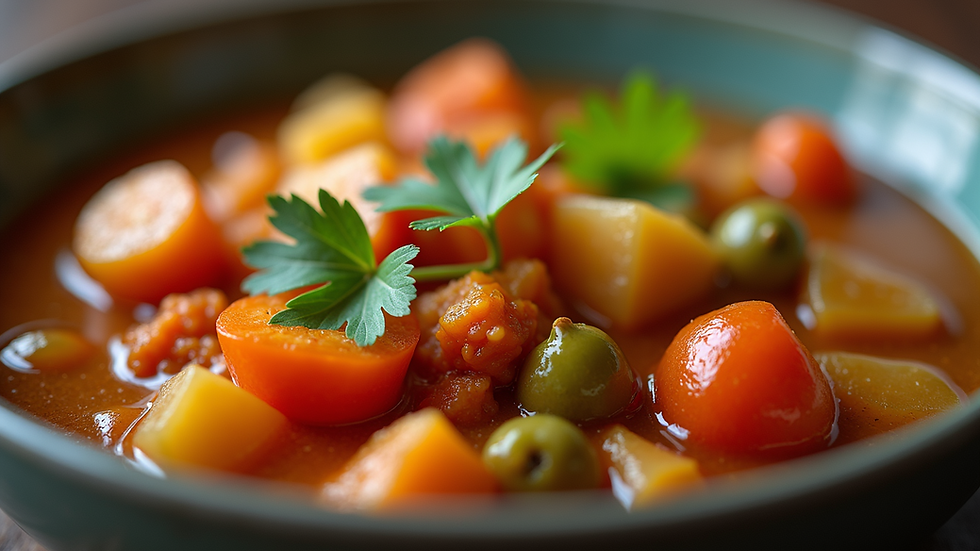
Pinakbet - a vegetable stew with local flavors from the Ilocos region
Celebrating Filipino Tradition Food in Every Meal
Filipino meals are often communal, emphasizing sharing and togetherness. Whether it is a simple family lunch or a grand fiesta, food plays a central role. The tradition of "kamayan" or eating with hands is still practiced in many households, enhancing the sensory experience of the meal.
For those interested in exploring authentic flavors, trying filipino tradition food is a great way to start. Many Filipino dishes are easy to prepare at home with accessible ingredients, and they offer a balance of nutrition and taste.
Tips for Cooking Filipino Traditional Dishes at Home
Start with simple recipes like Adobo or Sinigang to get familiar with the flavors.
Use fresh ingredients such as garlic, ginger, and local vegetables.
Adjust sourness and saltiness to your taste, as these are key flavor profiles.
Experiment with regional recipes to discover new favorites.
Serve with steamed rice, which complements most Filipino dishes perfectly.
The Role of Filipino Traditional Dishes in Festivals and Celebrations
Food is an essential part of Filipino festivals and celebrations. Events like Christmas, fiestas, weddings, and birthdays feature lavish spreads of traditional dishes. Lechon, for example, is a centerpiece at many celebrations, symbolizing abundance and joy.
Other festive dishes include:
Pancit (noodles) symbolizing long life and good health.
Bibingka and Puto Bumbong, traditional rice cakes enjoyed during Christmas.
Halo-Halo, a popular dessert made with crushed ice, sweet beans, fruits, and milk.
These dishes not only satisfy hunger but also strengthen community bonds and cultural identity.
Embracing Filipino Traditional Dishes in Modern Cuisine
Modern Filipino chefs are reinventing traditional dishes by incorporating contemporary techniques and global influences. This fusion approach keeps the cuisine dynamic and relevant while honoring its roots.
Restaurants now offer deconstructed Adobo or Sinigang foam.
Filipino street food like Lumpia and Balut gain international attention.
Home cooks share recipes online, making Filipino cuisine more accessible worldwide.
Exploring Filipino traditional dishes opens a window into a culture that values family, history, and flavor. Whether you are a seasoned foodie or a curious beginner, these dishes offer a rich culinary adventure worth savoring.


Comments